
TOPIC: SLEEP – MEANING AND IMPORTANCE
A: TEACHING AND LEARNING MATERIALS
- Pictures of children sleeping.
- Pictures of a clean bedroom.
- Bed, mattress, pillow or pictures of them.
- Clean sleeping mat.
- Bedsheet and pillowcase.
- Chart showing the importance of sleep.
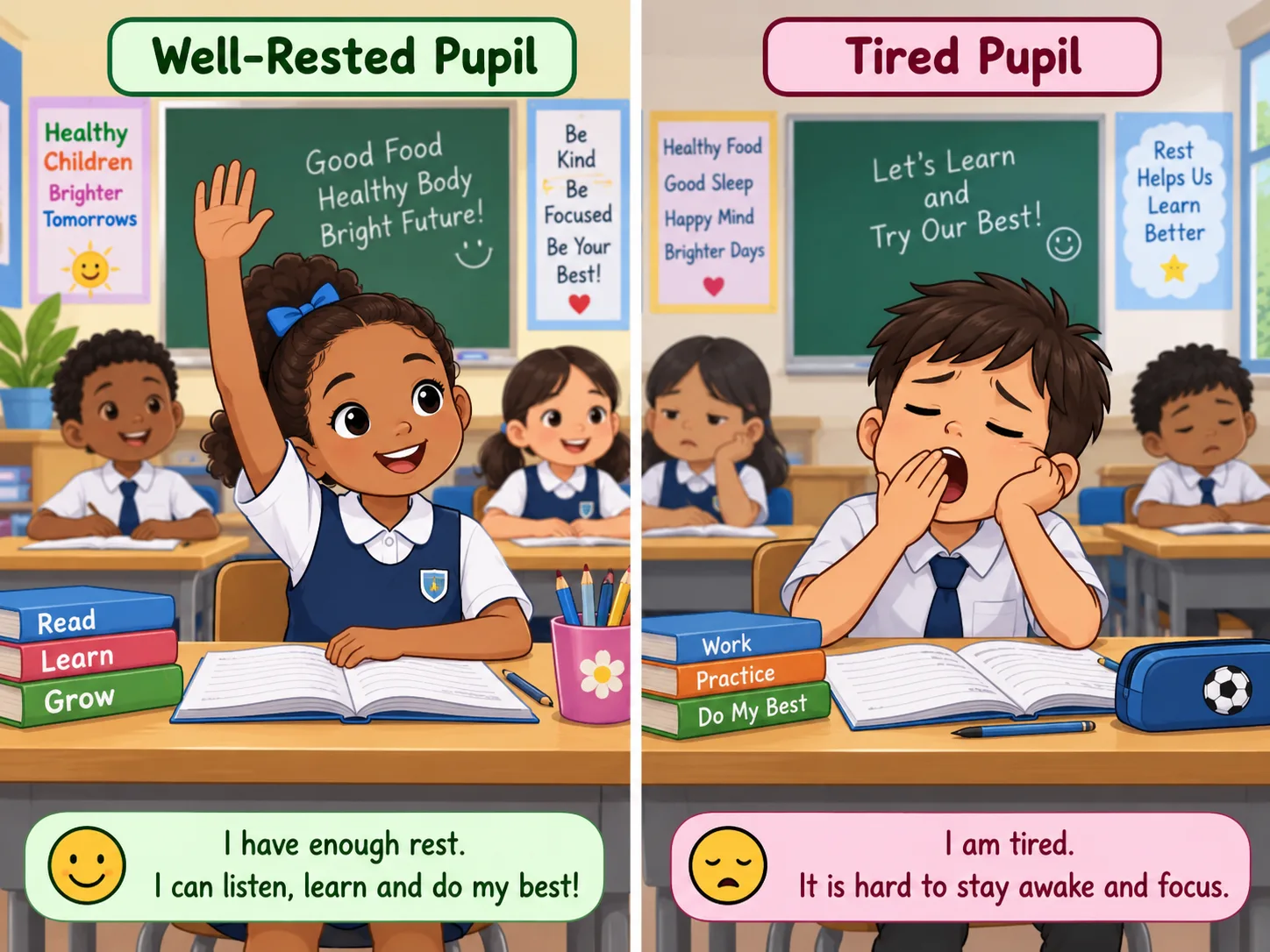
- Pictures showing a well-rested child and a tired child.
- Flash cards containing words such as sleep, rest, night, bed, and healthy.
B: REFERENCE MATERIALS
- Primary 2 Home Economics Scheme of Work (All Three Terms)
- Recommended Home Economics textbook for Primary 2 (school-approved edition)
- CDC – About Sleep
C: PREVIOUS KNOWLEDGE
Pupils have learnt about rest. They know that rest means stopping or reducing activities for some time so that the body and mind can relax.
They also know that a person can rest while still awake. In this lesson, pupils will learn about sleep, which is another very important form of rest.
Previous Lesson: Primary 2 Home Economics First Term – Week 5: REST – MEANING AND IMPORTANCE
D: PERFORMANCE OBJECTIVES
By the end of the lesson, pupils should be able to:
- explain the meaning of sleep;
- state the difference between rest and sleep;
- mention at least five reasons why sleep is important;
- identify some signs that a person needs sleep;
- state how sleep helps growing children;
- mention simple habits that can help children sleep well; and
- identify a suitable sleeping environment.
E: CONTENT
Meaning of Sleep
Sleep is a natural period of deep rest when the body becomes less active and we are usually not aware of everything happening around us.
When we sleep:
- our eyes are usually closed;
- the body becomes calm;
- we stop most normal daily activities;
- the muscles relax; and
- the body gets an opportunity to rest and recover.
Sleep is very important for children because their bodies and brains are still growing and developing.
Difference Between Rest and Sleep
Rest and sleep are related, but they are not exactly the same.
Rest
When we rest, we may still be awake.
For example, a child may:
- sit quietly;
- lie on a mat;
- read a picture book;
- relax after playing; or
- sit under a tree.
Sleep
When we sleep, we enter a deeper form of rest.
A sleeping person normally:
- closes the eyes;
- lies comfortably;
- becomes less aware of activities around him or her; and
- remains asleep for some time.
|
Rest |
Sleep |
|
A person may remain awake. |
A person is asleep. |
|
It may last for a short time. |
It usually lasts for a longer period. |
|
We may sit or lie quietly. |
We usually lie down comfortably. |
|
We are normally aware of what is happening around us. |
We are less aware of what is happening around us. |
|
It helps us relax. |
It provides deeper rest for the body and brain. |
Why Do We Need Sleep?
During the day, children perform many activities.
They:
- go to school;
- read and write;
- walk and run;
- play;
- exercise;
- talk with others;
- help with simple chores; and
- learn many new things.
After all these activities, the body and brain need enough sleep.
Sleep allows us to rest deeply so that we can wake up ready for another day.
Importance of Sleep
1. Sleep Helps the Body to Rest
Our bodies work throughout the day.
When we sleep, the body gets a long period of rest.
This helps us wake up feeling more refreshed.
2. Sleep Helps Children Grow and Develop
Children are still growing.
Good sleep is one of the healthy habits that support normal growth and development.
Children therefore need regular and adequate sleep.
3. Sleep Helps Us to Pay Attention
A child who has slept well is usually better prepared to listen and take part in classroom activities.
Enough sleep supports attention and concentration.
For example:
A pupil who sleeps properly at night may find it easier to listen to the teacher the following morning.
4. Sleep Helps Learning and Memory
Children learn many things every day.
Good sleep supports the brain as it processes and remembers information.
This can help pupils with:
- reading;
- writing;
- remembering instructions; and
- learning schoolwork.
5. Sleep Helps Us Feel Refreshed
When we get enough sleep, we are more likely to wake up feeling rested and ready for the day’s activities.
A child who has not slept enough may feel tired or sleepy.
6. Sleep Supports Good Health
Sleep is part of healthy living.
Along with good food, exercise, cleanliness and rest, enough sleep helps support the body’s general health and well-being.
7. Sleep Helps Us Have Energy for Daily Activities
After a good night’s sleep, a child may feel more ready to:
- prepare for school;
- learn;
- walk;
- play;
- exercise; and
- perform simple household duties.
What Can Happen When We Do Not Get Enough Sleep?
A child who does not get enough sleep may:
- feel very tired;
- become sleepy during the day;
- find it difficult to concentrate;
- become less interested in activities;
- feel irritable or uncomfortable; or
- find it harder to pay attention in class.
For this reason, children should not make a habit of staying awake very late at night.
How Much Sleep Do School-Age Children Need?
Children need more sleep than adults because they are still growing.
Children between 6 and 12 years old generally need about 9 to 12 hours of sleep in every 24-hour period.
The exact amount may differ slightly from one child to another.
What is important is for a child to develop a regular bedtime routine and get enough sleep to wake feeling refreshed and ready for daily activities.
Signs That a Child May Need Sleep
A child who needs sleep may:
- yawn repeatedly;
- rub the eyes;
- feel tired;
- become less active;
- find it difficult to pay attention;
- become sleepy; or
- want to lie down.
Good Habits That Help Us Sleep Well
There are simple habits that can help children prepare for good sleep.
1. Go to Bed at a Regular Time
Children should have a regular bedtime set by their parents or caregivers.
Going to bed at about the same time each night helps the body develop a good routine.
2. Keep the Bedroom Clean
A sleeping place should be:
- clean;
- comfortable;
- well arranged;
- properly ventilated; and
- free from unnecessary disturbance.
3. Wear Comfortable Sleeping Clothes
Children should wear clean and comfortable clothes when going to bed.
Very tight or uncomfortable clothing can make sleeping unpleasant.
4. Reduce Noise
A quiet environment makes it easier to sleep peacefully.
Loud television, shouting and other unnecessary noise may disturb sleep.
5. Reduce Screen Use Before Bedtime
Watching television, playing video games or using phones and tablets late at night can keep children awake.
Children should follow their parents’ rules about television, phones and other devices before bedtime.
6. Prepare for Bed Calmly
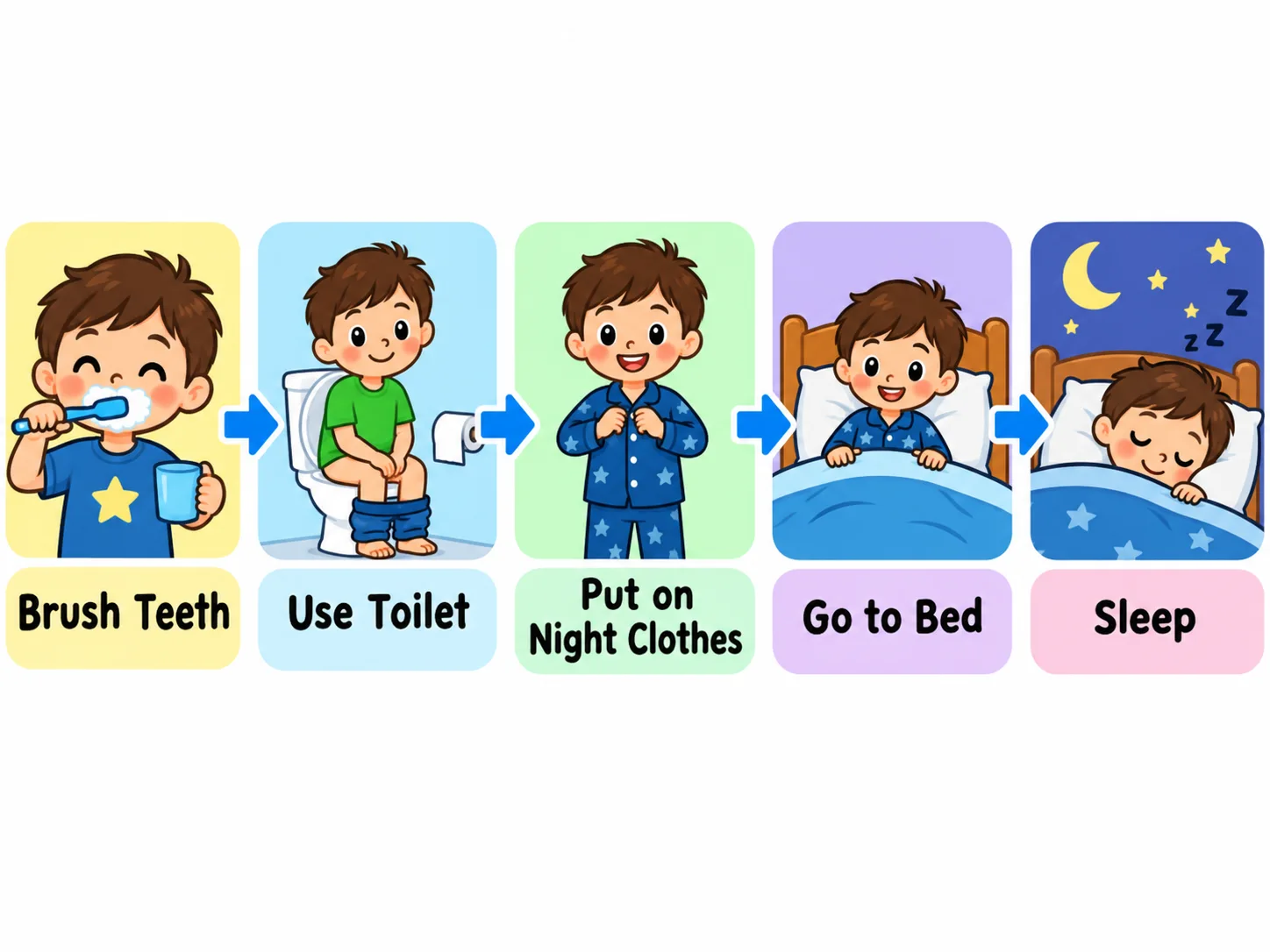
Before bedtime, a child may:
- brush the teeth;
- use the toilet;
- wash up where necessary;
- change into suitable sleeping clothes;
- arrange the bed; and
- settle down quietly.
A Good Sleeping Environment
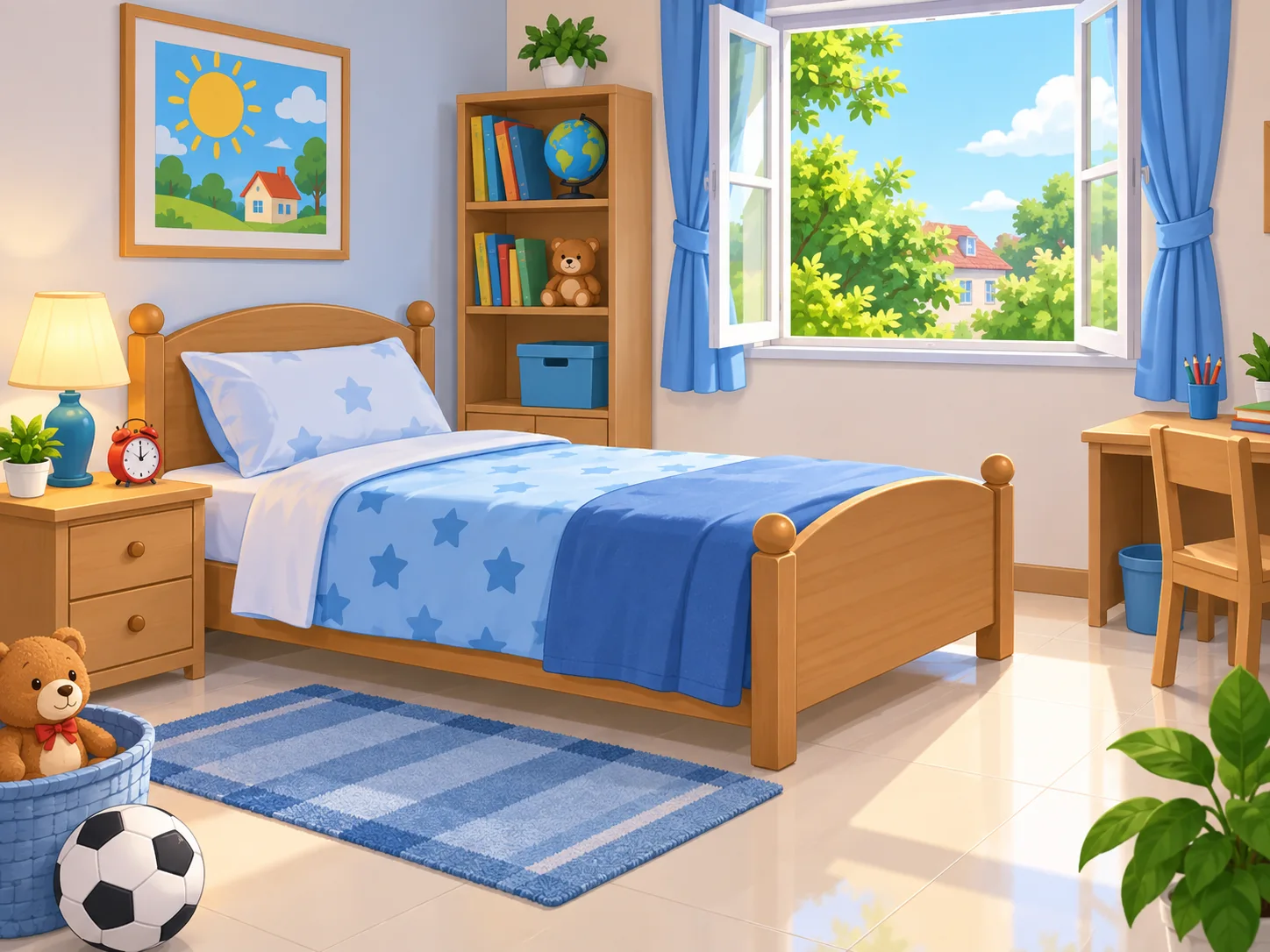
A suitable sleeping place should be comfortable and safe.
It should have:
- a clean bed or sleeping mat;
- clean bedsheets where available;
- a clean pillow where used;
- fresh air;
- enough space to sleep comfortably; and
- protection from danger.
The sleeping area should be kept away from:
- smoke;
- open flames;
- sharp objects;
- exposed electrical wires;
- stagnant dirty water; and
- other dangerous things.
Sleep Is Part of Healthy Living
Healthy living involves many good habits.
These include:
- eating good food;
- drinking clean water;
- exercising;
- keeping the body clean;
- resting;
- sleeping well; and
- keeping the environment clean.
Sleep works together with these other habits to help us remain healthy.
|
Healthy Habit |
Why It Is Important |
|
Good food |
Helps the body grow and provides energy |
|
Exercise |
Keeps the body active |
|
Rest |
Helps the body relax |
|
Sleep |
Gives the body and brain deeper rest |
|
Cleanliness |
Helps keep the body and environment clean |
Remember
Sleep is a natural period of deep rest.
Sleep is important because it:
- helps the body rest;
- supports growth and development;
- helps us pay attention;
- supports learning and memory;
- helps us feel refreshed;
- supports good health; and
- helps us prepare for another day’s activities.
Children should develop good sleeping habits and sleep in a clean, comfortable and safe place.
F: LESSON PRESENTATION
F1: Teachers’ Activities
- The teacher revises the previous lesson by asking pupils to explain the meaning of rest.
- The teacher asks pupils what they normally do at night after completing their evening activities.
- The teacher introduces the topic Sleep.
- The teacher explains the meaning of sleep in simple language.
- The teacher displays pictures of a person resting and another person sleeping.
- The teacher guides pupils to identify the differences between rest and sleep.
- The teacher discusses the importance of sleep using familiar examples.
- The teacher shows pictures of a well-rested pupil and a tired pupil.
- The teacher explains simple signs that may show that a child needs sleep.
- The teacher discusses good habits that can help children sleep well.
- The teacher uses a chart to demonstrate a simple bedtime routine.
- The teacher shows pupils a picture of a suitable sleeping environment.
- The teacher discusses the importance of keeping the sleeping place clean, safe and comfortable.
- The teacher asks pupils questions and corrects their responses where necessary.
F2: Pupils’ Activities
- Pupils explain what they learnt about rest.
- Pupils mention what they normally do before going to bed.
- Pupils listen to the meaning of sleep.
- Pupils observe pictures showing rest and sleep.
- Pupils state differences between rest and sleep.
- Pupils mention reasons why sleep is important.
- Pupils identify signs of tiredness and sleepiness.
- Pupils describe some good bedtime habits practised at home.
- Pupils arrange pictures showing the steps of a bedtime routine.
- Pupils identify things that make a sleeping place clean and comfortable.
- Pupils answer oral questions.
- Pupils copy important points into their notebooks.
G: CONCLUSION
The teacher revises the lesson by asking pupils to explain the meaning of sleep and state its importance.
The teacher reminds pupils that sleep is a deeper form of rest that is necessary for healthy living.
Pupils are encouraged to develop good bedtime habits, follow the bedtime set by their parents or caregivers and keep their sleeping environment clean and comfortable.
The teacher also reminds pupils that enough sleep helps them wake up refreshed and better prepared for school, play and other daily activities.
Next Lesson: Primary 2 Home Economics First Term – Week 7: GOOD SLEEPING HABITS
H: EVALUATION GUIDE
Oral Questions
- What is sleep?
- Mention two differences between rest and sleep.
- State five reasons why sleep is important.
- Mention three signs that a child may need sleep.
- Why is sleep important for pupils at school?
- Mention four good sleeping habits.
- Describe a good sleeping environment.
- Why should children avoid staying awake very late?
- Mention four things a child may do before going to bed.
- How many hours of sleep are generally recommended for children aged 6–12?
Written Exercise
A. Fill in the blanks with suitable words.
- __________ is a natural period of deep rest.
- During sleep, our eyes are usually __________.
- Good sleep helps us to pay __________ in class.
- Children should sleep in a clean and comfortable __________.
- Children aged 6–12 generally need about __________ to __________ hours of sleep each day.
B. Write “Good” or “Bad” beside each habit.
- Going to bed at a regular time. __________
- Watching television very late every night. __________
- Sleeping on a clean bed. __________
- Keeping loud music on throughout the night. __________
- Brushing the teeth before going to bed. __________
- Keeping the sleeping area clean. __________
Practical Activity
The teacher provides picture cards showing the following activities:
- Brushing the teeth.
- Playing a video game late at night.
- Putting on comfortable sleeping clothes.
- Arranging a clean bed.
- Sleeping peacefully.
- Waking up in the morning.
Pupils should arrange the suitable pictures in the correct order to form a healthy bedtime routine.
Take-Home Activity
Write five reasons why sleep is important.
Draw and colour a picture of a clean and comfortable sleeping place.